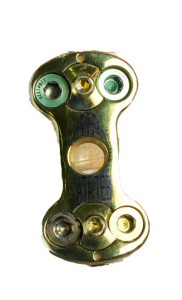

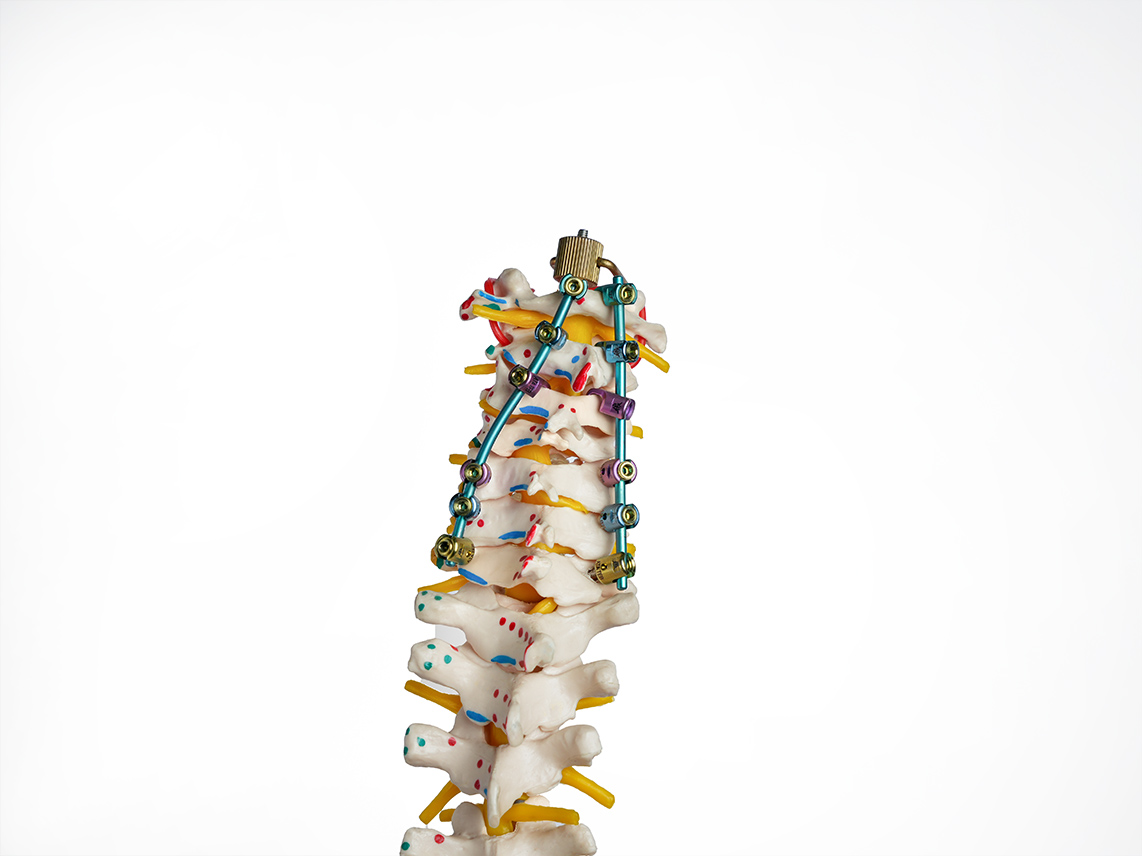
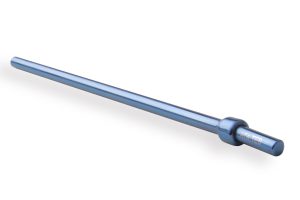
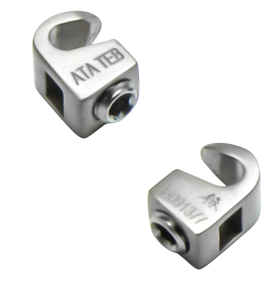
The Cervical Fixation System (PCF) is one of the most important and advanced methods for creating stability in the cervical spine region. This system is used when the cervical vertebrae suffer from instability, traumatic injuries, spondylolisthesis, degeneration due to severe arthritis, spinal canal stenosis, or vertebral tumors, and reliable stabilization is required to protect the spinal cord and nerve roots. In this technique, the fixation components are installed through a posterior approach to create a strong and robust structure at the back of the spine. This structure prevents abnormal movements of the vertebrae, provides the necessary conditions for complete vertebral fusion, and prevents the progression of damage. The precise design of this system makes it compatible with the sensitive and variable anatomy of the cervical vertebrae and enables safe stabilization even in complex cases. The components of this system include: Cervical Hook, Rod, Posterior Cervical Screw, and Cervical Nut. These components are designed to safely withstand the multiple and complex forces of neck movements such as rotation, flexion, and extension. The Cervical Fixation System PCF, by providing long-term stability, reducing pain, preventing the progression of instability, and effectively protecting neural structures, is considered one of the most common and reliable methods of cervical surgery and plays a key role in restoring the natural function of the spine.
Material: Titanium
| size | size |
|---|---|
| 30 | 70 |
| 35 | 75 |
| 40 | 80 |
| 45 | 85 |
| 50 | 90 |
| 55 | 100 |
| 60 | 120 |
| 65 | 140 |
| 200 |
Material: Titanium
| size |
|---|
| 5 × 18 |
| 5 × 40 |
| 5.5 × 5 |
| 5.5 × 7 |
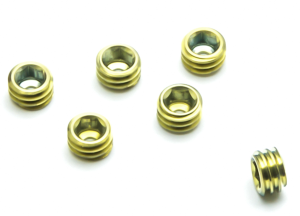
Material: Titanium
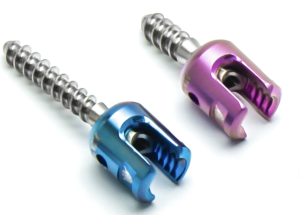
Material: Titanium
| size | size |
|---|---|
| 3.5 × 10 | 3.5 × 26 |
| 3.5 × 12 | 3.5 × 28 |
| 3.5 × 14 | 3.5 × 30 |
| 3.5 × 16 | 3.5 × 32 |
| 3.5 × 18 | 3.5 × 34 |
| 3.5 × 20 | 3.5 × 36 |
| 3.5 × 22 | 3.5 × 38 |
| 3.5 × 24 | 3.5 × 40 |
| 4 × 10 | 4 × 22 |
| 4 × 12 | 4 × 24 |
| 4 × 14 | 4 × 26 |
| 4 × 16 | 4 × 28 |
| 4 × 18 | 4 × 30 |
| 4 × 20 | 4 × 35 |
| 4 × 40 |
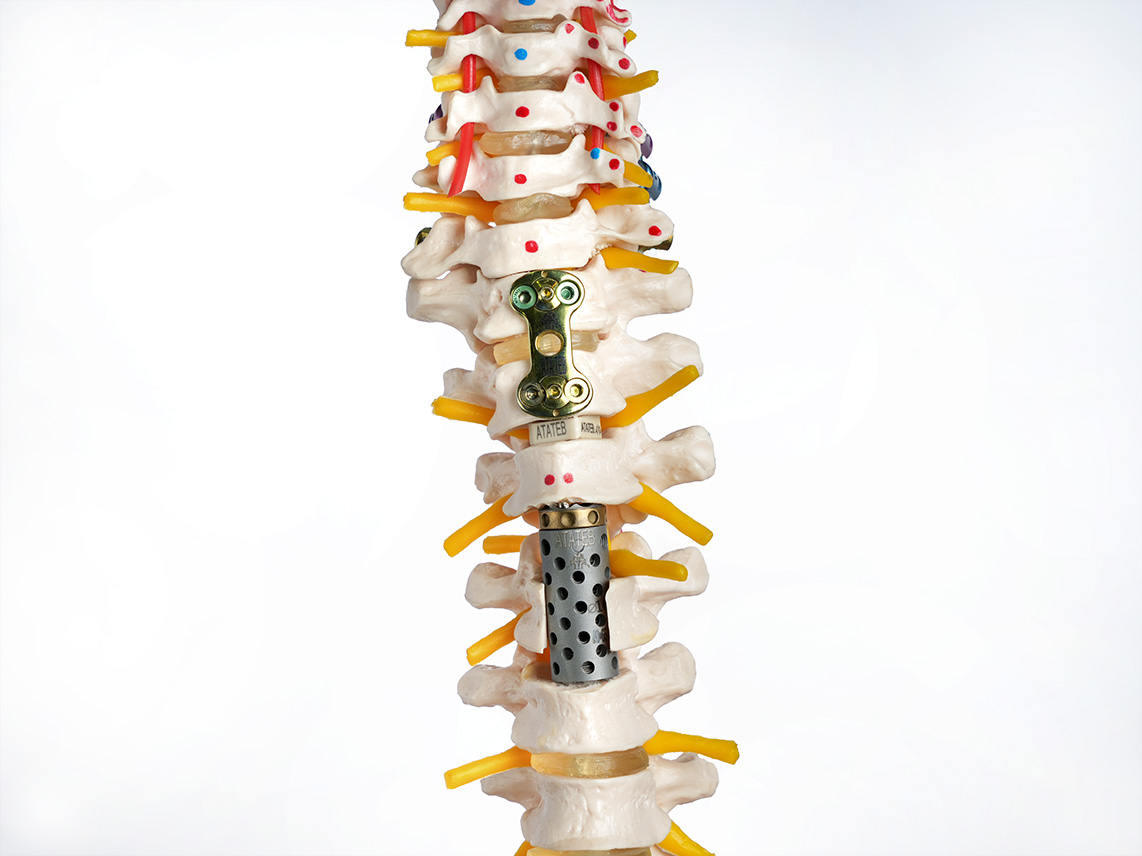
Cervical artificial vertebrae are a set of specialized implants that are used in cervical spine surgeries with the aim of restoring disc height, stabilizing the vertebrae, reducing pressure on the spinal cord and nerve roots, and creating suitable conditions for vertebral fusion. These implants are used in cases such as disc herniation, severe arthritis, vertebral instability, trauma, and degenerative injuries, and play an important role in restoring the natural function of the neck.
The Cervical Locking Plate is placed on the anterior surface of the vertebrae and creates immediate and strong stability with special locking screws. This plate is designed to prevent abnormal movements of the vertebrae and, together with the intervertebral cage, strengthens the fusion process. The high stability of this plate reduces the possibility of implant displacement and increases post-operative safety.
The Bladed Cervical Cage is an implant that is placed in the destroyed disc space and is fixed to the vertebrae by stabilizing blades. This design allows the cage to be secured in place without the need for excessive pressure or screws and prevents displacement. This component helps improve fusion and relieve neural pressure by creating appropriate height between the vertebrae and providing internal space for bone graft.
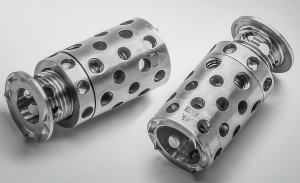
The Cervical Expandable Cage is a new generation of intervertebral implants that has the ability to adjust height. After placement in the disc space, the cage expands to reach the required height to create the best match with the patient’s anatomy. The main advantage of this cage is the possibility of precise height correction, restoration of natural cervical lordosis, and creation of more stable contact with the vertebral surfaces.
All these components are designed in such a way that they provide long-term stability, high safety, and ideal conditions for vertebral fusion. Cervical artificial vertebrae are one of the essential tools in spine surgery and provide reliable and effective performance in the treatment of cervical diseases.
Material: Titanium
| size | size |
|---|---|
| 28 | 56 |
| 32 | 59 |
| 35 | 62 |
| 38 | 65 |
| 41 | 70 |
| 44 | 75 |
| 47 | 80 |
| 50 | 85 |
| 53 | 90 |
| 100 |
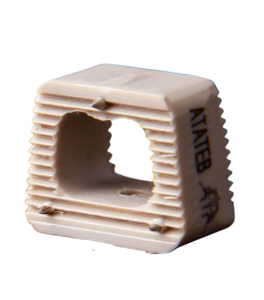
Material: Titanium
|
Size (Length × Width × Thickness) |
|---|
| 12 × 16 × 4 |
| 12 × 16 × 5 |
| 12 × 16 × 6 |
| 12 × 16 × 7 |
| 12 × 16 × 8 |
| 12 × 16 × 9 |
Material: Titanium
size:
| size | size |
|---|---|
| 10 × 10 - 13 | 13 × 16 - 25 |
| 10 × 12 - 17 | 13 × 24 - 40 |
| 10 × 16 - 25 | 13 × 39 - 65 |
| 10 × 24 - 40 | 16 × 16 - 25 |
| 10 × 39 - 65 | 16 × 24 - 40 |
| 13 × 12 - 17 | 16 × 39 - 65 |
| 20 × 25 - 34 | 24 × 25 - 34 |
| 20 × 32 - 44 | 24 × 32 - 44 |
| 20 × 42 - 58 | 24 × 42 - 58 |
| 20 × 56 - 84 | 24 × 56 - 84 |