language

Lumbar equipment

Lumbar Fixation System (Posterior Spinal Fixation – PSF)

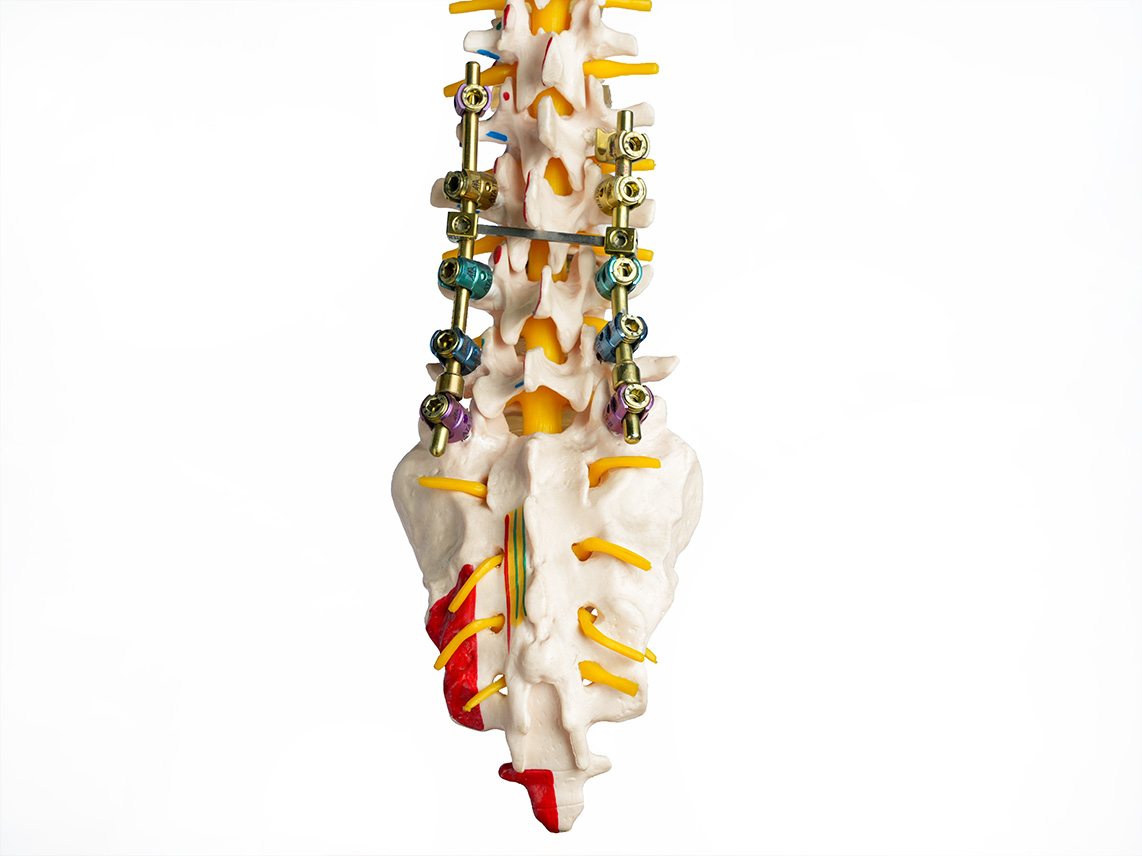
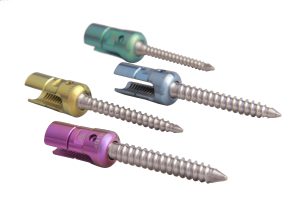
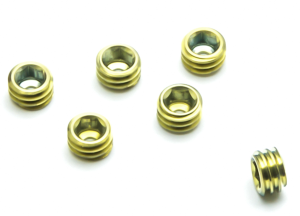
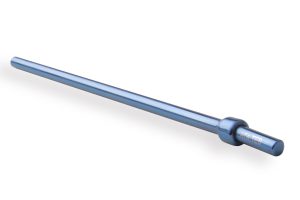
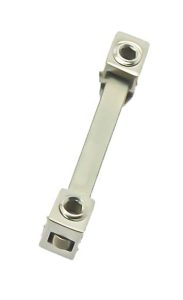
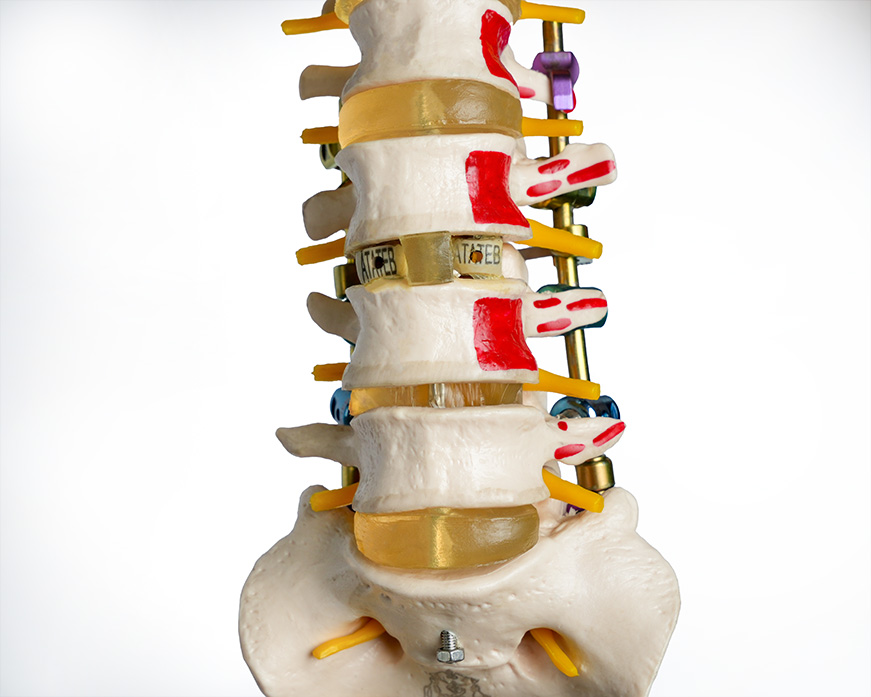
The Lumbar Fixation System (PSF) is one of the main and standard methods for spinal stabilization in lumbar surgeries. This system is used in cases such as vertebral instability, spondylolisthesis, fractures, spinal canal stenosis, spinal deformities, and after nerve decompression. It plays an important role in restoring the balance and strength of the vertebrae. This method is performed by placing fixation components at the back of the spine to hold the target vertebrae in the correct position and prevent unstable movements. The design of this system is such that it creates strong stability while providing the possibility of adaptation to the anatomical structure of the spine. The components of this system include: Crosslink, Dynamic Rod, Nut, and Polyaxial Screw. These components are designed in such a way that they provide long-term stability and high safety for the patient when fixing the vertebrae. The Lumbar Fixation System PSF is recognized as one of the most effective methods of spinal stabilization and in lumbar surgeries, it leads to pain reduction, prevention of instability progression, and helps proper fusion of the vertebrae.


Lumbar Fixation System

Lumbar Fixation System
Polyaxial Screw Nut Dynamic Rod Crosslink

Polyaxial Screw

size size
25 × 4.5 30 × 4.5
35 × 4.5 30 × 5.5
35 × 5.5 40 × 5.5
45 × 5.5 50 × 5.5
30 × 6.5 35 × 6.5
40 × 6.5 45 × 6.5
50 × 6.5 55 × 6.5
35 × 7.5 40 × 7.5
45 × 7.5 70 × 7.5
80 × 7.5 90 × 7.5

Nut

Dynamic Rod

size:

10
12
14
16
20
25
30


Crosslink

size
60
70
80


Lumbar Artificial Vertebra – PLIF and TLIF Components

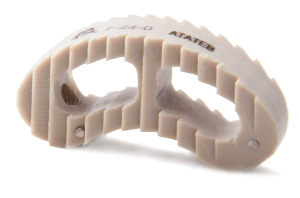
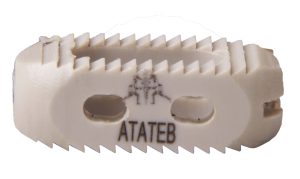
PLIF and TLIF components are among the most important intervertebral implants in lumbar spine surgeries and are used as a replacement for the destroyed disc space between the vertebrae. By being placed in the intervertebral space, these components restore disc height, reduce pressure on the nerve roots, and create suitable conditions for vertebral fusion. The PLIF component is designed to be placed in the disc space through a posterior approach to the spine and creates high stability in the lumbar region by providing a wide contact surface. The TLIF component, due to its special shape and entry angle, is inserted through a transforaminal approach and allows easier placement with minimal pressure on neural tissues. These components are made of resistant and medically standard materials such as PEEK, and their internal space is designed for placing bone graft to achieve the best possible vertebral fusion process. PLIF and TLIF artificial vertebrae play a significant role in reconstructing the natural structure of the spine, increasing stability, and reducing pain caused by disc damage or degeneration. They are considered among the most commonly used lumbar implants in orthopedic surgeries.

Lumbar Interbody Cages

Lumbar Interbody Cages
TLIF Cage PLIF Cage

TLIF Cage

material: PEEK

Size (Thickness × Width)

6 × 28
7 × 28
8 × 28
9 × 28
10 × 28
11 × 28
12 × 28

PLIF Cage

material:PEEK

size:

Size (Thickness × Width)
6 × 24
7 × 24
8 × 24
9 × 24
10 × 24
11 × 24
12 × 24